


kompressor4528
About kompressor4528
20 Trailblazers Lead The Way In Heavy-Duty Compressor Purchase
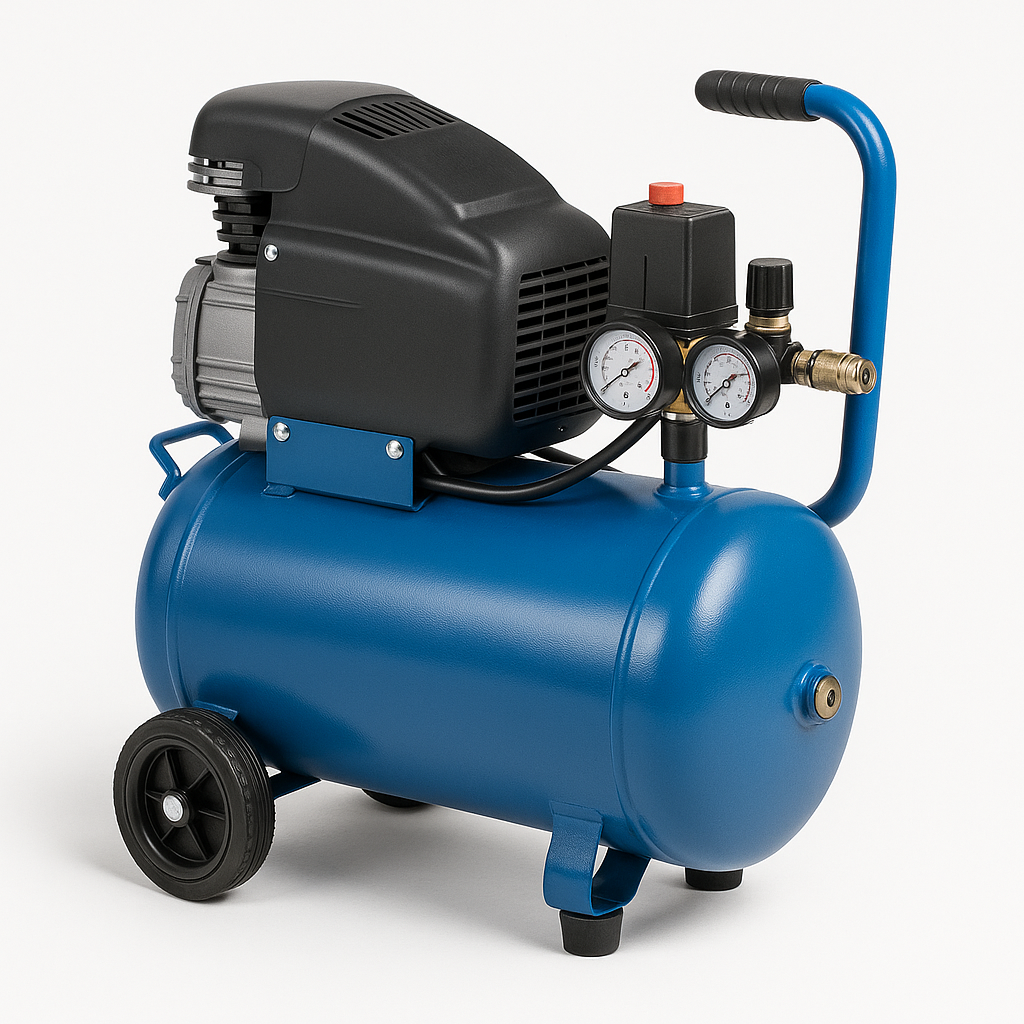
A Comprehensive Guide to Purchasing a Heavy-Duty Compressor
When it concerns industrial operations, building projects, or serious DIY jobs, picking the ideal compressor is essential. Heavy-duty compressors can serve a multitude of functions– from powering pneumatic tools and pumping up tires to offering backup air supply in vital situations. With various models and types on the marketplace, it can be overwhelming for purchasers to figure out which heavy-duty compressor suits their requirements best. This article intends to offer a detailed guide to acquiring a heavy-duty compressor, complete with tables, lists, and answers to often asked questions.
Understanding Heavy-Duty Compressors
Heavy-duty compressors are usually created for robust performance and effectiveness in requiring environments. They can deal with bigger workloads and operate for prolonged periods without overheating. Here are some common types of heavy-duty compressors:
Types of Heavy-Duty Compressors
| Type | Description | Applications |
|---|---|---|
| Reciprocating Compressors | Utilizes pistons driven by a crankshaft; generally cheaper and versatile | Construction, vehicle workshops |
| Rotary Screw Compressors | Utilizes twin rotors to compress air; excellent for constant operation | Manufacturing, large-scale markets |
| Centrifugal Compressors | Utilizes a turning disk to increase air speed before transforming it into pressure | Power plants, big chemical plants |
| Diaphragm Compressors | Uses a diaphragm to different gas and compress; outstanding for reactive gases | Chemical processing, labs |
Key Features to Consider
When buying a heavy-duty compressor, possible purchasers should concentrate on several essential functions:
- Air Flow Rate (CFM): This refers to the compressor’s ability to deliver air, generally determined in cubic feet per minute (CFM), which identifies how rapidly tools can operate.
- Size and Portability: Depending on where the compressor will be used, think about if a fixed or portable design is better.
- Source of power: Compressors can be powered by electricity, gasoline, or diesel. Depending upon your usage, the power source may affect your choice significantly.
- Tank Size: Larger tanks can store more compressed air, permitting extended operation time however can be bulkier.
- Sound Level: Industrial environments can be loud, but some compressors produce more sound than others. Check for Kompressor Mit Schneller Lieferung Kaufen decibel ratings if noise is a concern.
- Operating Pressure: Ensure that the compressor can reach the pressure levels needed for your tools (determined in PSI).
Comparing Heavy-Duty Compressors
Efficiency Metrics Table
To make informed decisions, examining essential efficiency metrics can be incredibly beneficial. Below is a comparative table of 3 popular heavy-duty compressor models:
| Model | Air Flow Rate (CFM) | Max Pressure (PSI) | Tank Size (Gallons) | Power Source | Noise Level (dB) | Price (₤) |
|---|---|---|---|---|---|---|
| Model A | 10 CFM | 150 PSI | 30 Gallons | Electric | 75 dB | 1,200 |
| Model B | 15 CFM | 175 PSI | 20 Gallons | Gasoline | 85 dB | 1,500 |
| Design C | 20 CFM | 200 PSI | 50 Gallons | Diesel | 80 dB | 2,000 |
Benefits and Disadvantages
| Design | Advantages | Disadvantages |
|---|---|---|
| Model A | Economical, suitable for light to moderate jobs | Lower CFM, may not support high-demand tools |
| Design B | Well balanced performance, great mobility | Higher fuel intake in gas models |
| Design C | High CFM and PSI, perfect for industrial usage | Much heavier and more pricey, requires more maintenance |
Necessary Considerations Before Buying
- Assess Your Needs: Understand the particular tasks you need the compressor for, whether that includes running pneumatic tools, filling air tanks, or offering high-pressure air for a particular application.
- Budget: Set a sensible budget that accounts not only for the upfront cost of the compressor however likewise for ongoing maintenance and potential repair work.
- Warranty and Service: Look for makers that use a strong warranty and have great service options. This can conserve you money and headache in the long run.
- Brand Reputation: Research brand names, read reviews, and get feedback from previous purchasers to guarantee you’re selecting a trusted product.
Regularly Asked Questions (FAQ)
1. How do I pick the best size compressor for my needs?
Choosing the ideal size compressor involves assessing the tools you need to power. Start with computing the CFM and PSI required for your tools and choose a compressor that satisfies these specs.
2. Can I use an electric compressor outdoors?
While some electric compressors are portable, you should ensure they are rated for outdoor usage and safeguarded from rain or moisture.
3. What type of maintenance do heavy-duty compressors need?
Regular maintenance includes changing oil (for oil-lubricated models), draining pipes the tank to eliminate wetness, checking belts, and inspecting filters.
4. How long can a heavy-duty compressor run continuously?
A lot of heavy-duty compressors can run for a few hours constantly, but it depends on their cooling system and style. Always speak with the manufacturer’s requirements.
5. Is it needed to have a bigger tank?
A bigger tank is useful for extended usage as it provides more air storage, allowing pneumatic tools to run longer between the compressor cycling on.
Acquiring a heavy-duty compressor is a significant investment that can include worth to lots of industrial and construction tasks. By understanding types, features, efficiency metrics, and vital factors to consider, potential purchasers can make informed choices that fulfill their particular needs. Whether it’s for expert use or severe DIY projects, the right heavy-duty compressor can improve operations and make jobs easier and more effective. Constantly consider the long-term ramifications of your option, and do not hesitate to seek recommendations from professionals or peers in the market.
No listing found.